
If your body were a computer, hormones would be the operating system. They regulate everything - your metabolism, energy levels, mood, sleep, appetite, reproductive health, stress response, and even how well you age. When hormones are in balance, everything runs smoothly. When they are not, the effects ripple across every aspect of your life, often in ways that are difficult to connect back to the source.
The challenge is that hormonal imbalances rarely announce themselves with a single, obvious symptom. Instead, they show up as a collection of vague complaints - fatigue that sleep does not fix, weight that will not budge, a shorter temper, or a general sense that something is just off.
Understanding your hormonal landscape starts with knowing the key players:
In women, hormonal imbalance can manifest as irregular or painful periods, premenstrual mood swings, hot flashes, vaginal dryness, hair thinning, difficulty sleeping, and stubborn weight gain - particularly around the midsection. These symptoms are often dismissed as normal parts of ageing, but they frequently point to addressable imbalances in estrogen, progesterone, or thyroid function.
In men, the signs include declining energy and motivation, reduced muscle mass despite regular exercise, increased body fat, low libido, irritability, brain fog, and poor recovery from workouts. Testosterone levels in men begin declining around age 30 at roughly 1% per year, but lifestyle factors can accelerate this decline dramatically.
Chronic stress is the single biggest disruptor of hormonal balance. When your body is locked in a stress response, cortisol takes priority and the production of other hormones - including thyroid, testosterone, and progesterone - gets pushed to the side. This is known as the cortisol steal, and it creates a cascade of imbalances that compound over time.
In Dubai, the combination of high-pressure careers, late nights, extreme heat limiting outdoor activity, and the social pace of expat life creates a perfect storm for hormonal disruption. Add in poor sleep habits, excessive caffeine, and irregular meal timing, and the hormonal system takes a significant hit.
Sleep is when your body does its most critical hormonal work. Growth hormone is released primarily during deep sleep. Testosterone production peaks overnight. Cortisol follows a circadian rhythm that depends on consistent sleep and wake times. Disrupted or insufficient sleep undermines all of these processes.
Exercise is equally important, but the type matters. Resistance training supports testosterone and growth hormone production. Moderate cardiovascular exercise helps regulate cortisol. However, excessive high-intensity training without adequate recovery can actually increase cortisol and suppress reproductive hormones - a trap that many health-conscious people fall into.
If you are experiencing any combination of the symptoms described above, a comprehensive hormonal panel is a logical first step. This should go beyond basic TSH and include free T3, free T4, cortisol (ideally a four-point test), testosterone, estrogen, progesterone, DHEA-S, fasting insulin, and in some cases IGF-1.
Many people wonder about hormone replacement therapy, but the first line of intervention should always be optimisation - improving sleep quality, managing stress, dialing in nutrition, and structuring exercise appropriately. These lifestyle changes alone can produce remarkable improvements in hormonal balance. When they are not enough, targeted supplementation or medical intervention can be explored with a qualified practitioner who takes a holistic view of your health.
Elara is a decision-support and booking platform, not a medical provider. This article is general information, not medical advice. Always speak to a licensed clinician about your own health. If you are experiencing a medical emergency, call 998 in the UAE.
Common signs of hormonal imbalance include persistent fatigue despite adequate sleep, unexplained weight gain or difficulty losing weight, mood swings, anxiety or depression, low libido, hair thinning or loss, irregular menstrual cycles in women, poor sleep quality, brain fog, and increased belly fat. These symptoms often develop gradually and are frequently attributed to stress or ageing rather than being recognised as hormonal issues that can be tested for and addressed.
A comprehensive hormonal panel should include cortisol for stress response, thyroid hormones (TSH, free T3, free T4) for metabolism, testosterone (important for both men and women), estrogen and progesterone for reproductive and overall health, insulin for metabolic function, DHEA-S for adrenal health, and in some cases growth hormone markers like IGF-1. The specific panel should be tailored to your symptoms, age, and health goals with guidance from a knowledgeable practitioner.
Several factors common in the Dubai lifestyle can disrupt hormonal balance. High-stress corporate environments elevate cortisol chronically, which in turn suppresses thyroid function and reproductive hormones. Limited sun exposure due to extreme heat can worsen vitamin D deficiency, which plays a role in hormone production. Late-night social culture and irregular sleep schedules disrupt melatonin and growth hormone release. Air-conditioned indoor living and limited outdoor activity can also affect circadian rhythms and overall hormonal regulation.
Hormone optimisation focuses on supporting your body's natural hormone production through lifestyle changes such as improved sleep, targeted nutrition, stress management, and exercise. Hormone replacement therapy (HRT) involves supplementing hormones externally when the body can no longer produce adequate levels, typically due to menopause, andropause, or medical conditions. Many practitioners recommend starting with optimisation strategies before considering HRT, as lifestyle interventions can significantly improve hormonal balance without external supplementation.

From hormonal health and fertility to finding the right specialist, women's health services in Dubai have unique considerations. Here is what every woman should know.

Discover how Dubai's lifestyle affects your sleep quality and why prioritizing rest is essential for long-term health, weight management, and mental wellness.
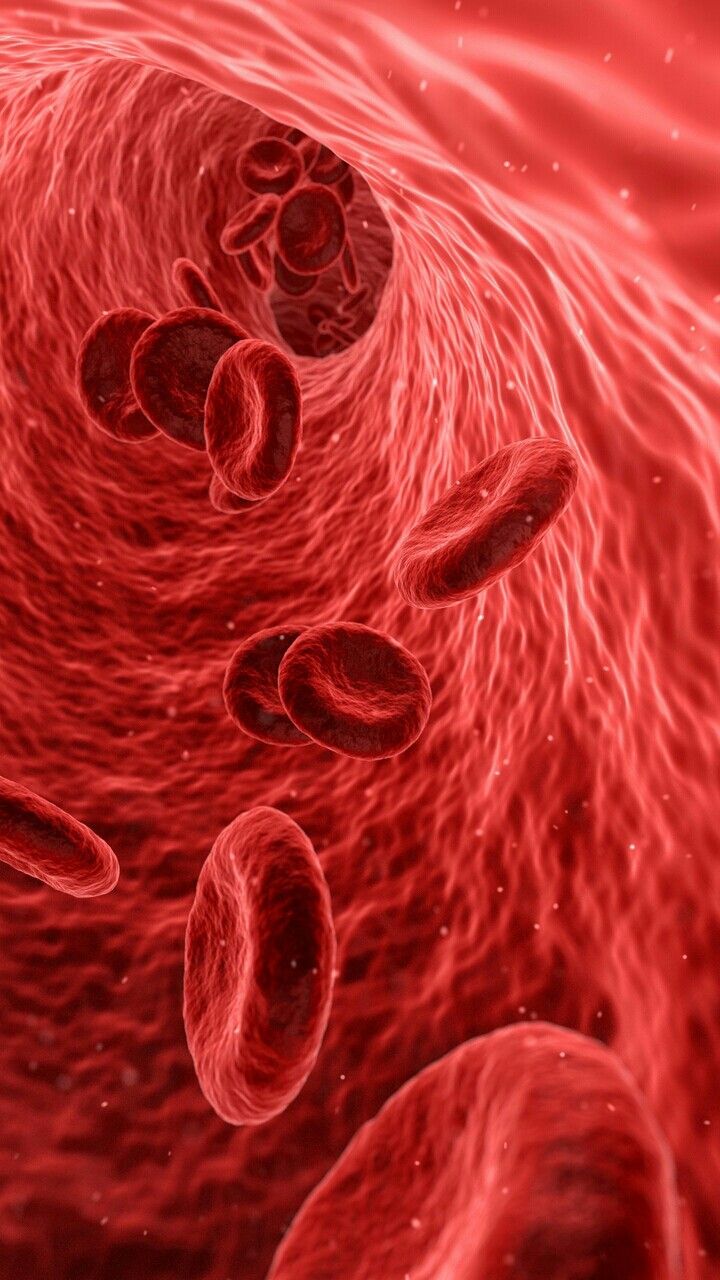
Standard blood panels miss critical health markers. Learn how advanced biomarker testing - including hs-CRP, ApoB, homocysteine, and hormonal panels - can reveal your true health picture.
Early access, for founding members.
Thanks. You are on the waitlist.
Something went wrong. Please try again.
Elara is a decision-support and booking platform, not a medical provider.